It´s no secret that perfumers are the alchemists of time. They often seek inspiration in the past, bottling the essence of great eras, legendary names, and monumental events. So let´s throw open a window in time that looks straight onto Montmartre, and step into the year 1889.
It’s October 6, 1889. Paris is in a bright, restless fever: the World’s Fair is nearing its end, the Eiffel Tower already spears the sky, but Joseph Oller and Charles Zidler have prepared a very different kind of gift for the city. On Place Blanche, the Moulin Rouge (Red Mill) opens its doors. Crowned by a wooden windmill with sweeping scarlet blades, it is a bold, unmistakable nod to the red-light district - a true manifesto of freedom and vice.
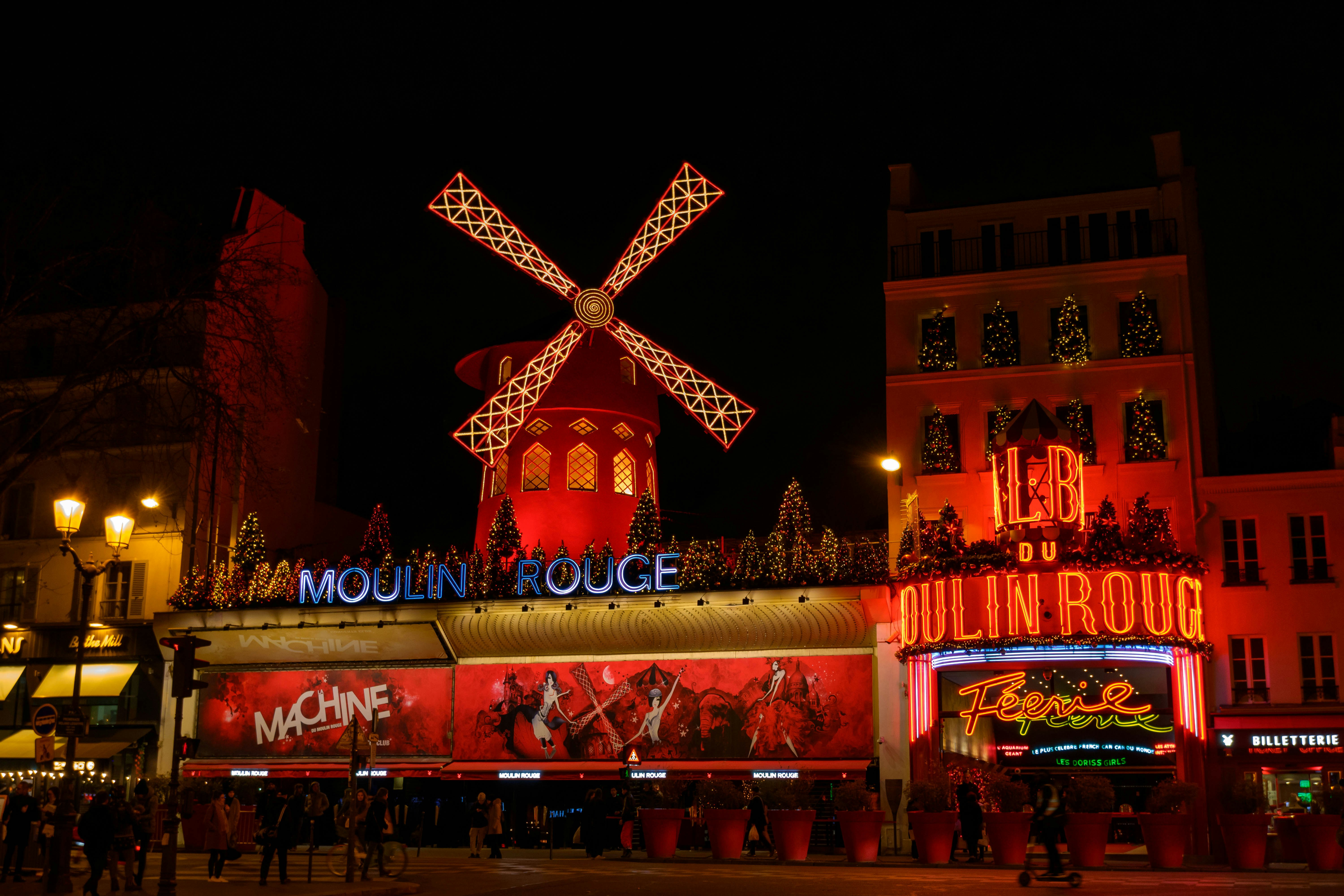
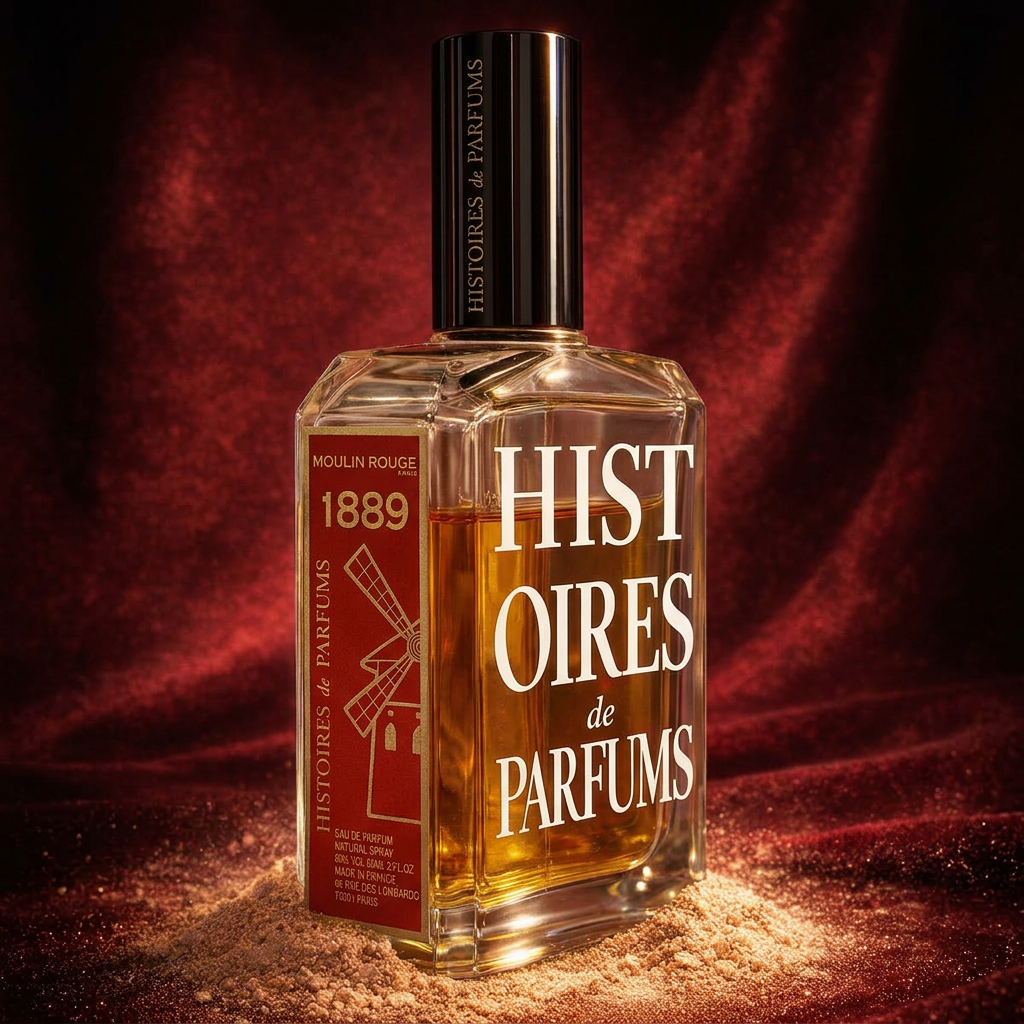
If one could breathe in that exact historical instant, it would smell like 1889 Moulin Rouge by Histoires de Parfums.
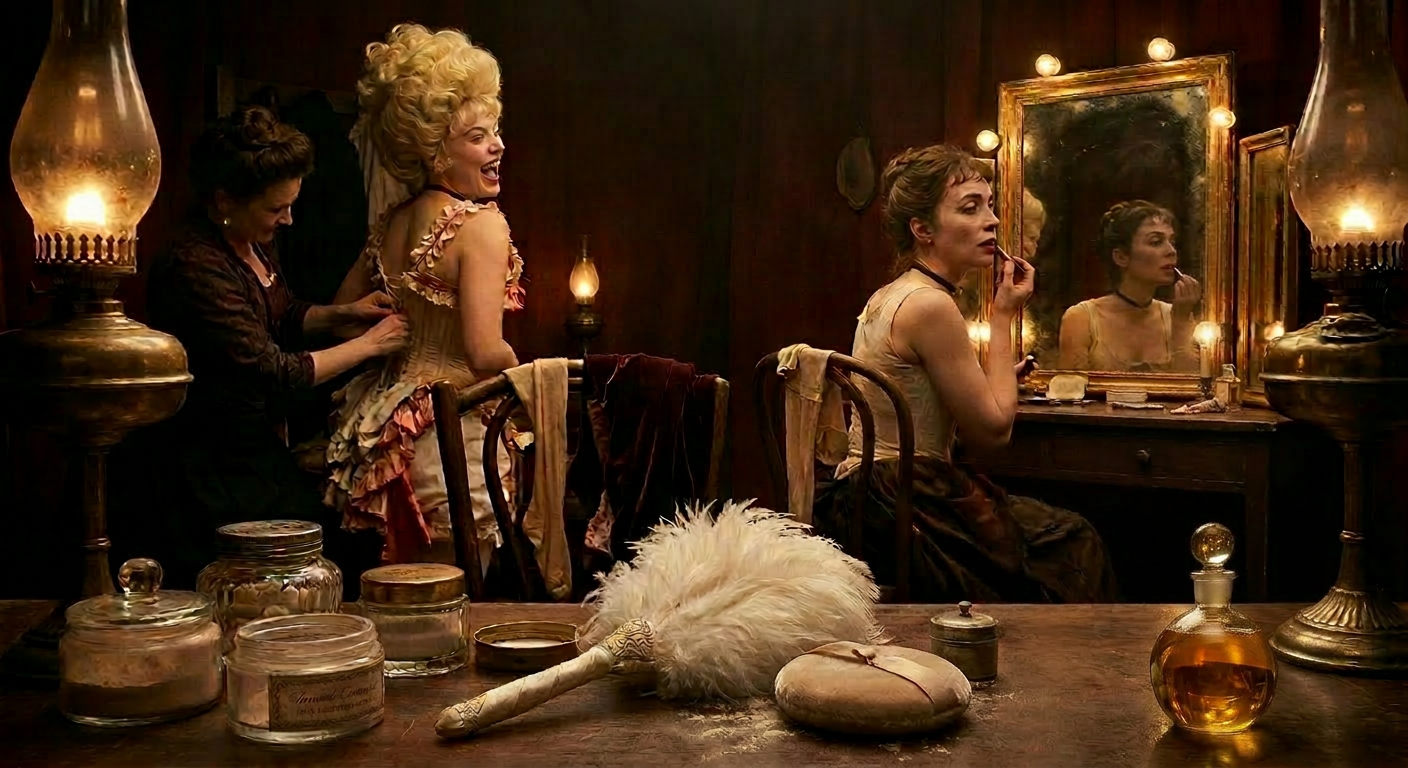
With the very first spray, we don’t simply walk into the room, we find ourselves behind the curtains, we slip into backstage shadows lined with dusty red velvet. The air here is thick, redolent of breathless anticipation and the warmth of feminine skin. In the dressing-room mirrors glimmer the first legends of the cabaret: Yvette Guilbert, Jane Avril, and the tempestuous La Goulue. You can almost hear silk stockings whisper, the clack of heels against wooden floorboards, the sharp intake of breath as corsets are pulled tight. It is the scent of theatrical makeup warmed by flushed skin under the unforgiving glare of stage lights. A dense, almost touchable cloud of powdery iris melts into the aroma of waxy lipstick - sweet, boudoir-like, infinitely intimate, and deeply theatrical.
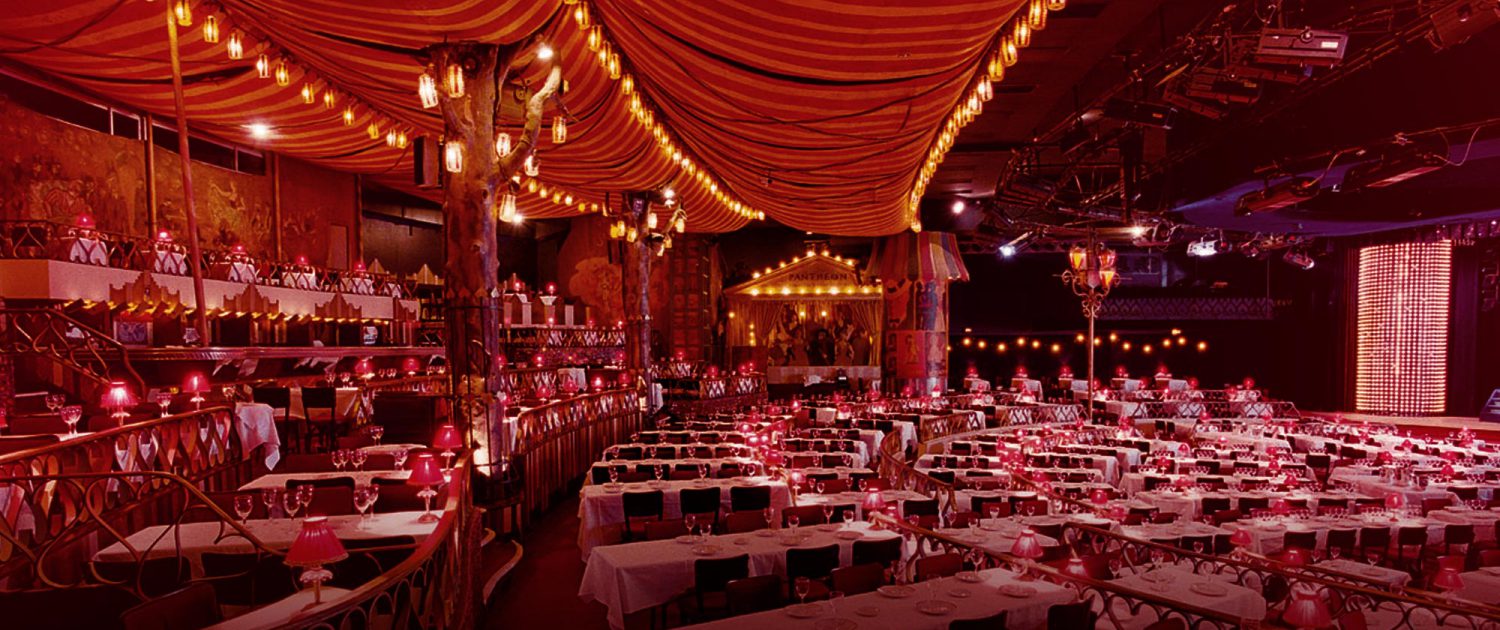
Yet, the Moulin Rouge would never have become a legend had it been just another cabaret. An extraordinary crowd gathers in the hall: aristocrats sit side-by-side with impoverished poets, and champagne flows like a river. At a corner table, swallowed by noise and heat, sits a small man with a gaze that cuts clean through the haze, it is Henri de Toulouse-Lautrec. He comes night after night, sketching in swift strokes, creating the iconic posters that will immortalize both the Moulin Rouge and his name. In his hand, he holds a glass filled with a murky, vibrant green liquid. And it is precisely at this moment that the dark magic of nocturnal Montmartre awakens in the heart of the fragrance.
Through the floral tenderness breaks bitter, herbal bite of wormwood. The sharp bitterness of absinthe slices through the powdery sweetness like a blade. The perfume turns tart, prickly, and fiercely spicy. This is Bohemia in full voice: the premonition of decadence, the metallic tang of adrenaline as can-can dancers kick their legs high, revealing flashes of skin and exposing clouds of lace.
Throughout its long history, the cabaret has survived it all: fires and wars, decline and triumphant returns. Today, it stands as one of the quintessential symbols of Paris, where 850 guests hold their breath every evening, mesmerized by the spectacular Féerie revue. A thousand costumes, dazzling sequins, sweeping music... But when the stage lights finally go out, the fragrance reveals its base notes. Patchouli and musk lay down a lingering sillage, evoking the dusty velvet of cabaret seats and the heavy curtains that have witnessed far too much over the decades. It’s the sweet melancholy of the afterglow when the dance is over, but its wild rhythm still pulses in your temples.
1889 Moulin Rouge isn’t a sterile modern splash. It’s a fragrance with character and a story to tell. Inside it lives spirit of old Paris: with its soot, its luxury, and its inextinguishable desire to live life to the fullest. It’s wonderfully dual, holding both innocence and pure audacity in the same breath. It shifts and shimmers on the skin, much like the dancers twirling and replacing one another on stage.
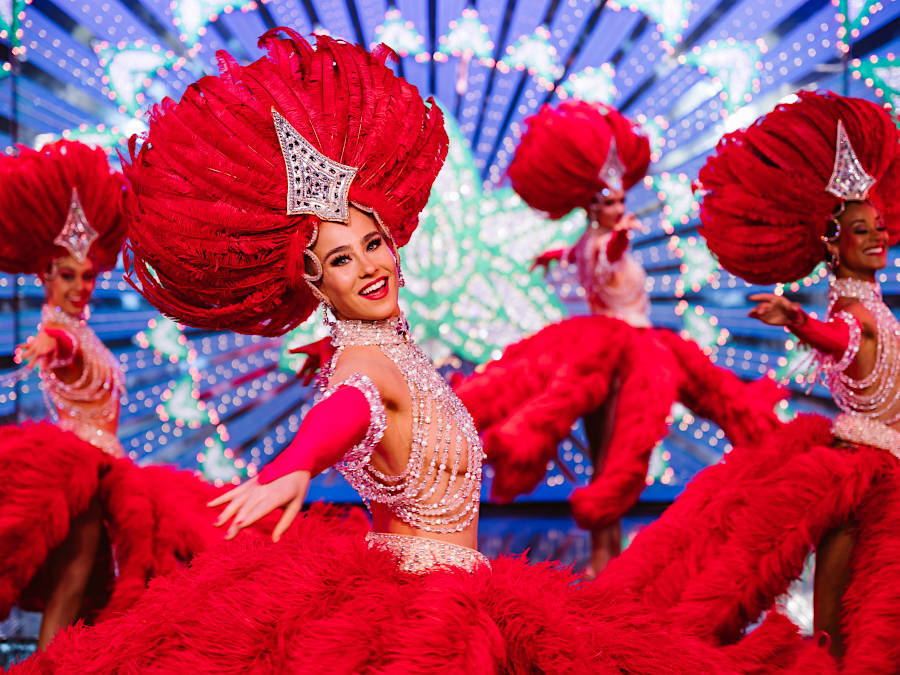
This is a fragrance for those who understand that true beauty is always faintly wicked, and that art is born in smoke and twilight. You should wear it as though you are draped in corsets and feathers, even when you are dressed in nothing but simple jeans and a crisp white shirt. There is a rare, subversive thrill in surrendering to this drop of historical provocation. After all, 1889 is far more than just a date on a calendar. It’s a state of mind: a soul forever dancing the can-can under the watchful gaze of Toulouse-Lautrec.
Olfactory composition
Top Notes
Plum, Cinnamon, Tangerine
Heart Notes
Tincture of Rose, Wormwood
Base Notes
Iris, Musk, Patchouli
“Do you have any atmospheric fragrances that take you to another time and place?”